
Historical Markers
A wonderful way to immerse yourself in Ponte Vedra’s history and heritage is by taking a scenic drive to explore the many historic markers throughout the area. Each marker offers insight into the historical significance of its location and reveals how the region has grown and evolved over time.
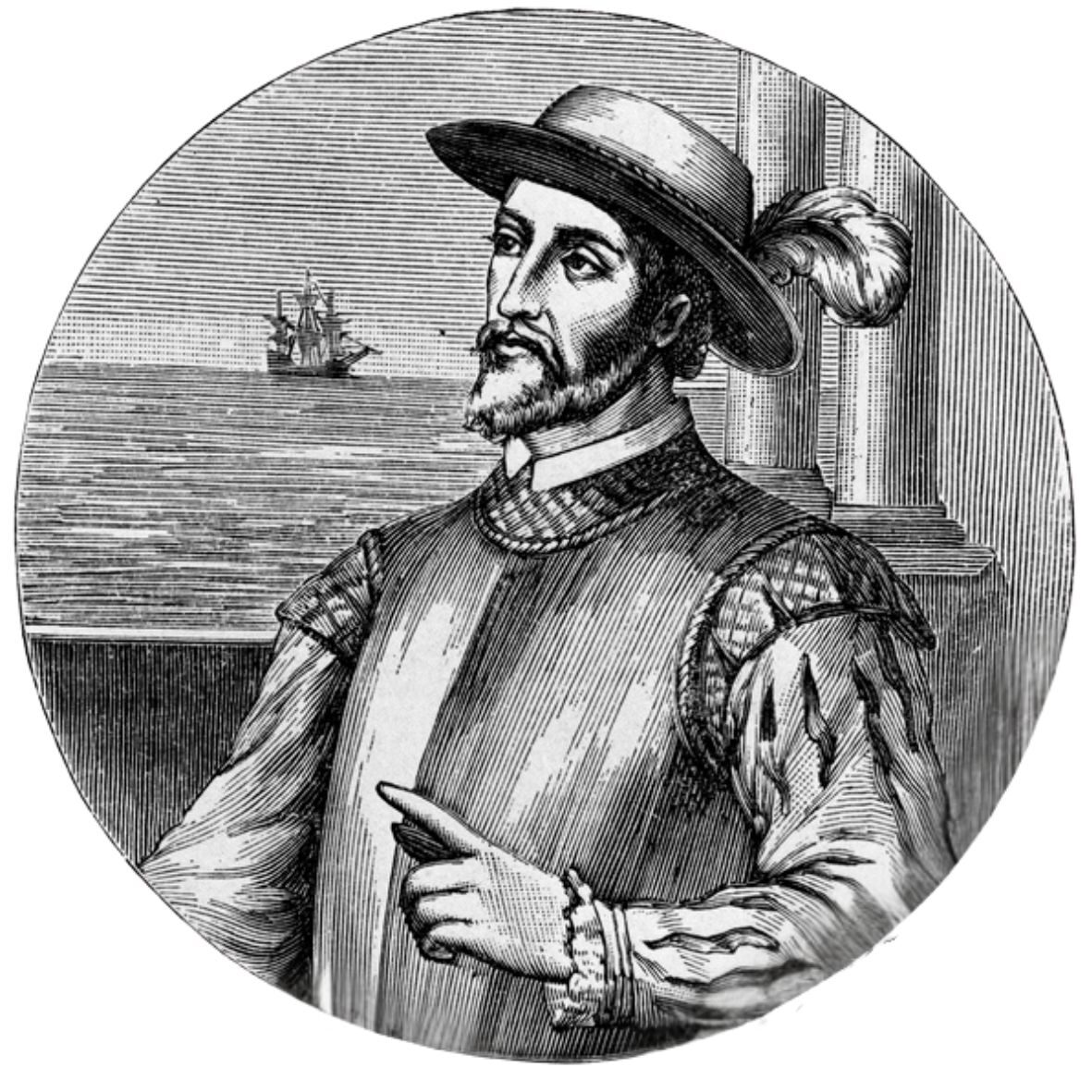
Juan Ponce de León's legacy
30° 8´ North Latitude
This marker is believed by some historians to correspond with the offshore location where Juan Ponce de León calculated his fleet’s position when he first sighted Florida. Ponce de León’s three vessels set sail from Puerto Rico in early March 1513. After sailing northwest along the coast, the fleet drew close to shore, and at noon on April 2, a solar observation was taken. Spanish historian Antonio de Herrera y Tordesillas recorded the latitude as 30° 8' north.
The site has been preserved in its natural state by the State of Florida and likely resembles what Ponce de León saw as he approached the coast.
30° 8´ North Latitude
Near North Beach Guana
157 Sea Hammock Way, Ponte Vedra Beach, FL 32082
Spies on the Sand
World War II Comes to Ponte Vedra
In the summer of 1942, a quiet stretch of Florida’s coast became the landing site for a secret World War II mission. Under the cover of darkness, four men stepped onto the sand at Ponte Vedra Beach. They weren’t tourists—they had orders from Nazi Germany. The men were part of Operation Pastorius: two teams of saboteurs—eight men in total—who arrived by U-boat and were sent to attack the United States from within.
One team landed near Long Island, New York. The other came ashore in Ponte Vedra. They brought American clothes, carried fake IDs, and nearly $175,000 in U.S. currency. They also brought explosives and timers. They buried their bombs in the sand a couple of miles south of the Ponte Vedra Inn & Club. Then they took a bus to Jacksonville. From there, they traveled north by train.
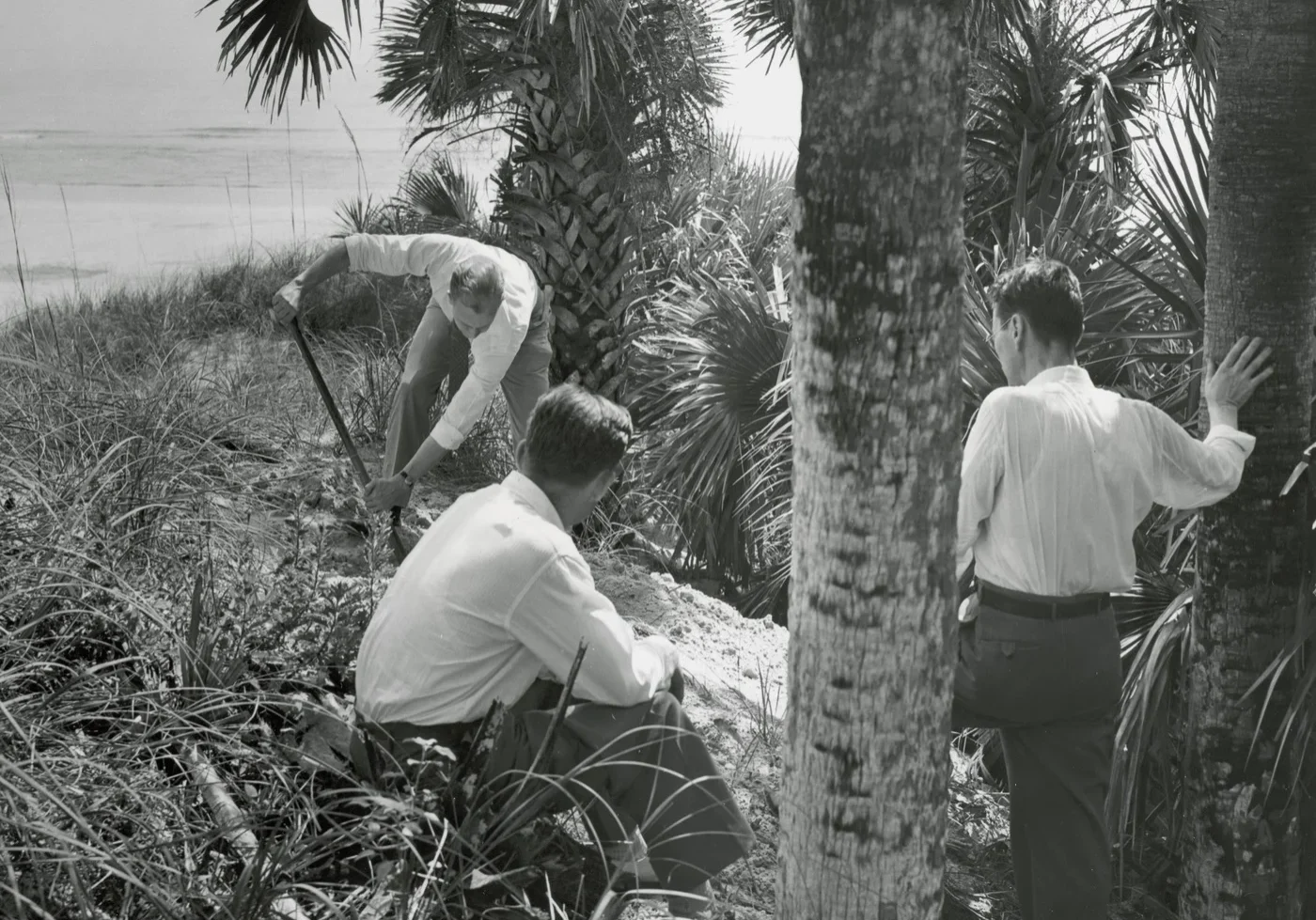
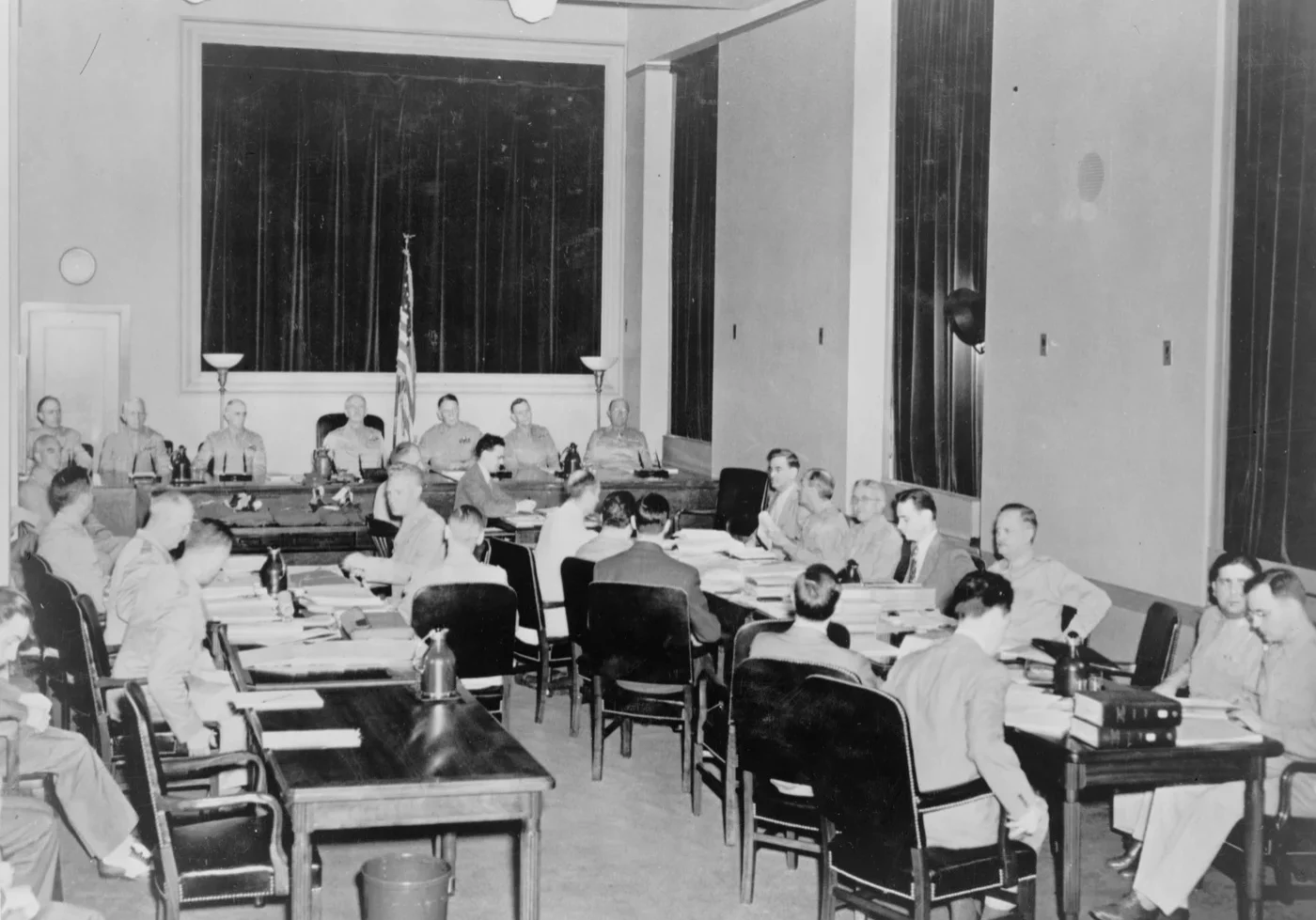
Spies on the Sand
Their goal was to destroy key parts of America’s war effort—factories, power plants, railroads, and bridges. Germany hoped to shake public confidence and change how Americans felt about the war. The mission did not go as planned. One saboteur, George John Dasch—a naturalized American citizen before the war—had doubts from the start. A few days after landing, he boarded a train to Washington, D.C., and walked into FBI headquarters to confess. Within days, the FBI arrested all eight saboteurs. Six were tried and executed. Dasch and another man who cooperated were spared but imprisoned, then later deported.
The marker is located on Ponte Vedra Boulevard (State Road 203), on the right when traveling north, directly in front of the Ponte Vedra Inn & Club.
Ponte Vedra Inn & Club
200 Ponte Vedra Blvd, Ponte Vedra Beach, FL 32082
Governor Grant's Plantations
Ponte Vedra and Indigo Dye
In 1768, James Grant, Governor of British East Florida, established Grant’s Villa Plantation at the junction of the Guana and North Rivers. Enslaved Africans cleared 1,450 acres, planted indigo, and processed it into blue dye—East Florida’s main export—with Grant’s Villa as its most profitable plantation. As soil fertility declined, a new plantation was developed just south of today’s Mickler Road, where two earthen dams created a 220-acre rice field with fresh and tidal water control.
After East Florida returned to Spain in 1784, both plantations were abandoned, and the enslaved Africans were relocated to the Bahamas.
The marker is accessible from Guana River Road, 0.2 miles west of South Ponte Vedra Boulevard (State Road A1A), on the right when traveling west.
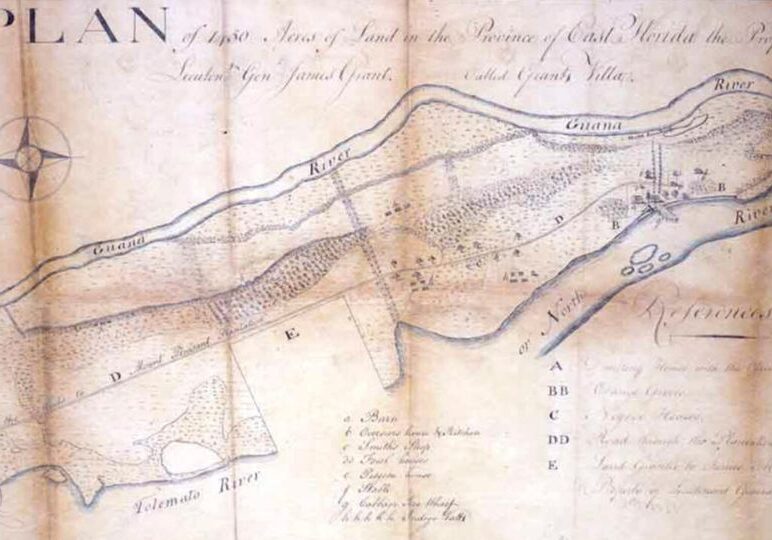
Marker for Governor Grant's Plantations
2690 South Ponte Vedra Boulevard, Ponte Vedra Beach, FL 32082
Discover Local History
Explore the rich history of Ponte Vedra, Ponte Vedra Beach, Palm Coast, and Nocatee! With about a dozen historical markers scattered throughout the region, you can plan your own road trip through the stories and landmarks that shaped our community. Use this interactive map to chart your journey and uncover the past around every corner. Visit HMdb.org to learn more.